Home / Blog / Prototyping Electronics: Breadboard to Final Product
Electronics

Prototyping Electronics: Breadboard to Final Product

The full journey of building a custom embedded system β€” from prototype to production-ready hardware.

XT

Xi-TEK Team

Electronics Β· February 1, 2026 Β· 7 min read

Prototyping Electronics: Breadboard to Final Product

Turning an electronics idea into a real, shippable product is a multi-stage journey. At Xi-TEK we've taken dozens of projects from concept to production. Here's what that journey looks like in practice.

Stage 1 β€” Breadboard Prototype

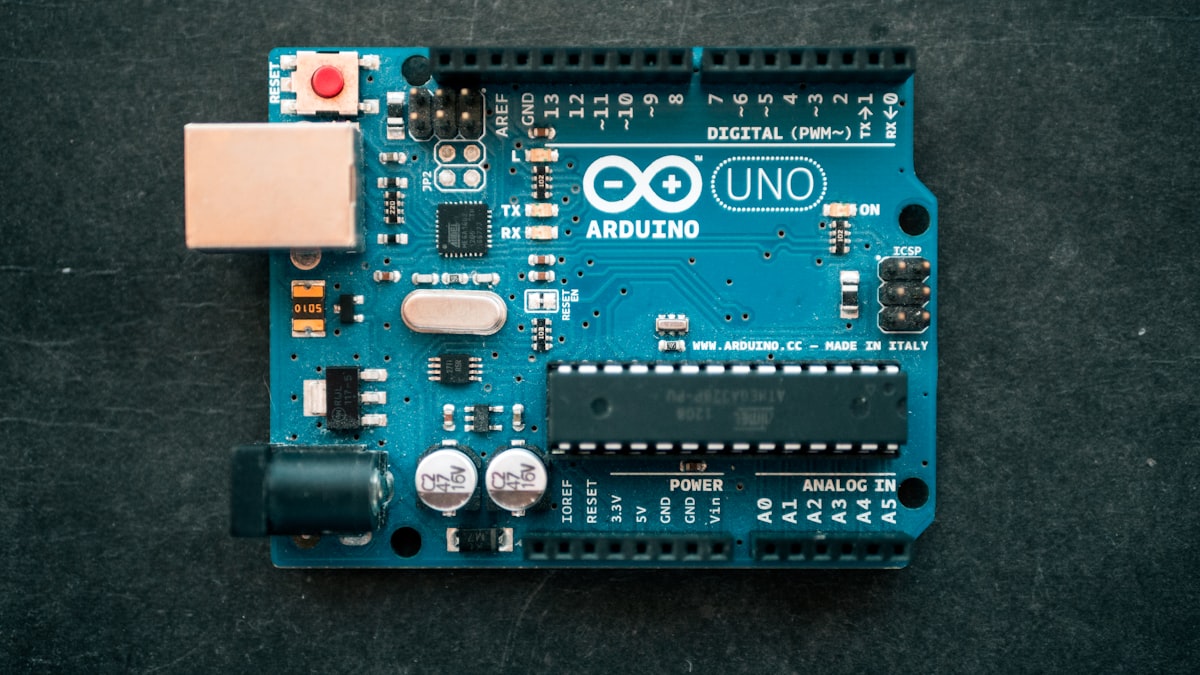
The first working version of any embedded system lives on a breadboard. Components are inserted without soldering, firmware is loaded onto a development board (Arduino, ESP32, STM32), and basic functionality is verified. This stage is fast and cheap β€” expect to iterate many times.

Stage 2 β€” Perfboard / Dev Board

Once the concept works, we move to a more permanent prototype. This might be a custom shield, components soldered to perfboard, or a development board in a temporary enclosure. This version gets tested in real conditions β€” temperature, vibration, power fluctuations.

Key insight: Most failures are found at Stage 2, not Stage 1. Real-world conditions reveal issues that a controlled bench test never shows.

Stage 3 β€” Custom PCB (Rev 1)

The first custom PCB is designed based on what we've learned from the prototypes. It's rarely perfect β€” Rev 1 PCBs almost always need minor corrections β€” but it gets the product into its final form factor and allows proper enclosure design to begin.

Stage 4 β€” Pre-Production

  1. 01. PCB Rev 2 incorporating Rev 1 corrections
  2. 02. Enclosure finalised (3D printed or sheet metal)
  3. 03. Small batch assembly (5–20 units) for extended testing
  4. 04. Firmware finalised and flashed to production units
  5. 05. Documentation: user guide, wiring diagram, BOM
  6. 06. Client handover and training
#Prototyping #EmbeddedSystems #Electronics #Manufacturing